Hazardous Waste Management
Hazardous Chemical Waste Management Process
Hazardous Chemical Waste Management
PECL does provide services including manifestation, packaging, transportation and transboundary movement of all chemical waste categorized as hazardous and fall under Dangerous Goods (DG). PECL strictly complies with Wagani and Basel Convention for the transboundary movement of Hazardous/DG waste. After the disposal, a comprehensive report and waste tracking documentation is furnished to client and CEPA as regulator to bestow surety assurance and confidence that the classified waste has been properly disposed.
Treatment
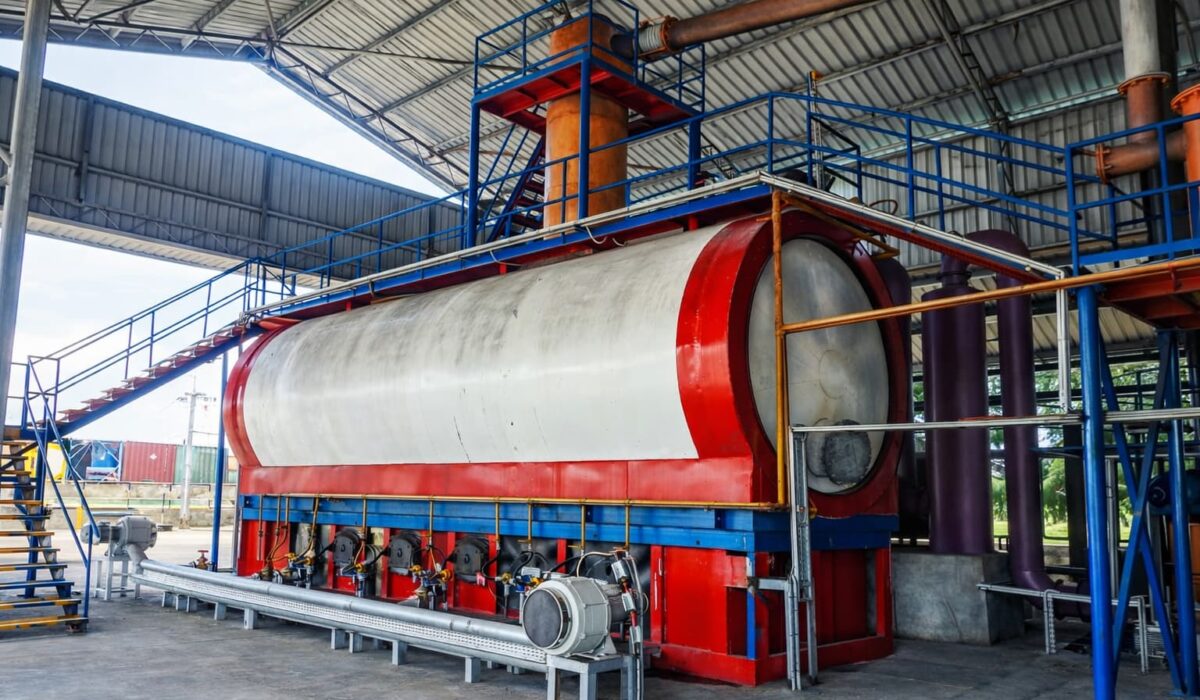
Hazardous waste can be treated by chemical, thermal, biological, and physical methods. Chemical methods include ion exchange, precipitation, oxidation and reduction, and neutralization. Among thermal methods is high-temperature incineration, which not only can detoxify certain organic wastes but also can destroy them. Special types of thermal equipment are used for burning waste in either solid, liquid, or sludge form. These include the fluidized-bed incinerator, multiple-hearth furnace, rotary kiln, and liquid-injection incinerator. One problem posed by hazardous-waste incineration is the potential for air pollution.
Storage & Disposal
Hazardous wastes that are not destroyed by incineration or other chemical processes need to be disposed of properly. For most such wastes, land disposal is the ultimate destination, although it is not an attractive practice, because of the inherent environmental risks involved. Two basic methods of land disposal include landfilling and underground injection. Prior to land disposal, surface storage or containment systems are often employed as a temporary method.
Temporary on-site waste storage facilities include open waste piles and ponds or lagoons. New waste piles must be carefully constructed over an impervious base and must comply with regulatory requirements similar to those for landfills. The piles must be protected from wind dispersion or erosion. If leachate is generated, monitoring and control systems must be provided. Only noncontainerized solid, nonflowing waste material can be stored in a new waste pile, and the material must be landfilled when the size of the pile becomes unmanageable.
Secure Landfills
Landfilling of hazardous solid or containerized waste is regulated more stringently than landfilling of municipal solid waste. Hazardous wastes must be deposited in so-called secure landfills, which provide at least 3 metres (10 feet) of separation between the bottom of the landfill and the underlying bedrock or groundwater table. A secure hazardous-waste landfill must have two impermeable liners and leachate collection systems. The double leachate collection system consists of a network of perforated pipes placed above each liner. The upper system prevents the accumulation of leachate trapped in the fill, and the lower serves as a backup. Collected leachate is pumped to a treatment plant. In order to reduce the amount of leachate in the fill and minimize the potential for environmental damage, an impermeable cap or cover is placed over a finished landfill.
Hazardous Chemical Waste Management
PECL provides comprehensive services for hazardous chemical waste, including manifestation, packaging, transportation, and transboundary movement under Dangerous Goods (DG) classification. Strict compliance with Wagani and Basel Conventions ensures safe disposal, with detailed reporting and tracking furnished to clients and regulators for full assurance.
Ensure Safe Disposal