Liquid Waste Management
Liquid Waste Management Process
Liquid Waste Management
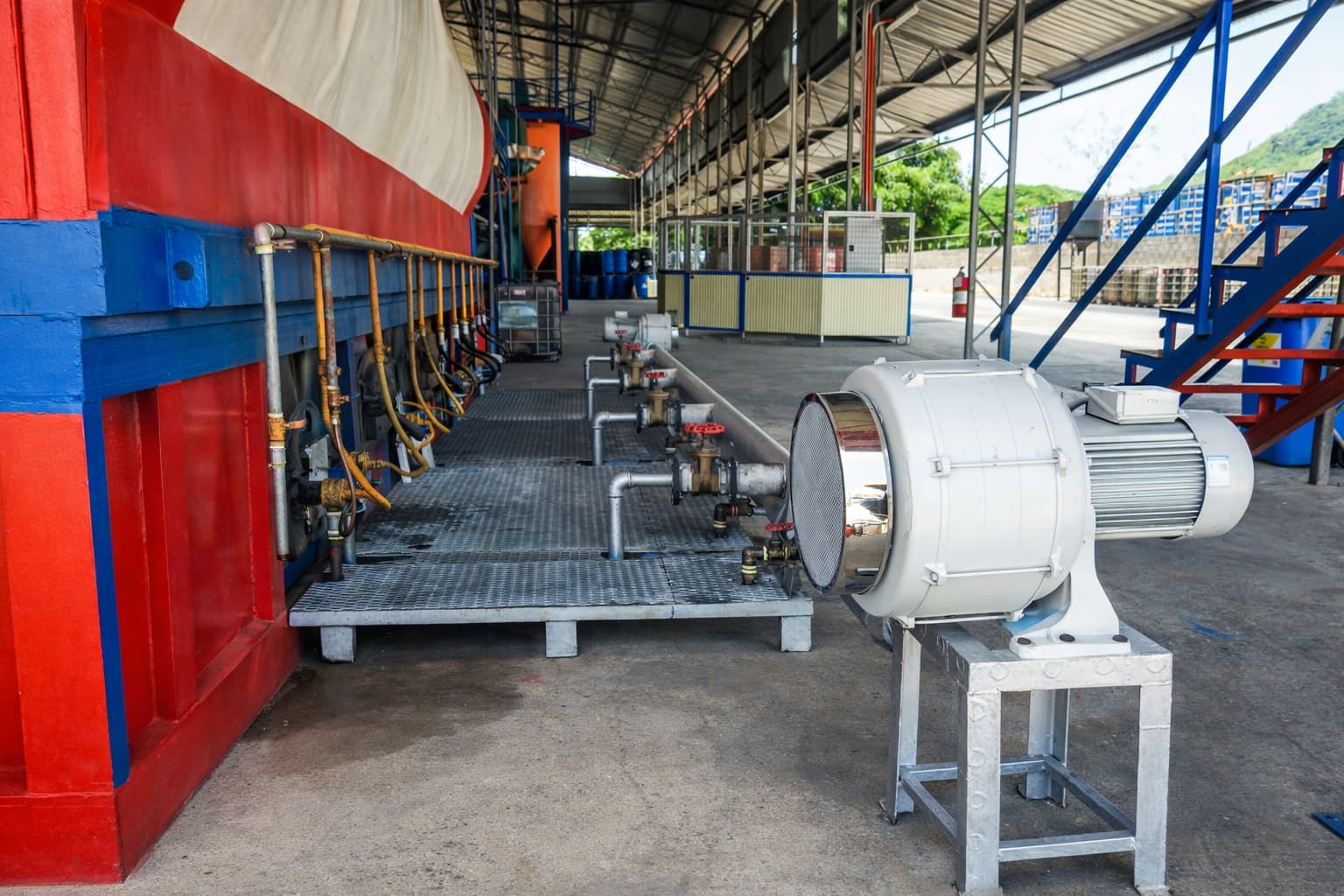
This basically refers to the effluent from the sewerage system, septic tanks, grease traps from kitchens and camp sites portable toilets (highly restricted to liquid chemicals). When this waste stream is full and needs immediate attention, PECL can do pump outs to transportable containment. This waste can then be taken to government run sewerage systems for proper discharge.
Primary Treatment
It is the process of mechanically removing the solid materials present in water through metal screening. Grit chambers and sedimentation. Metal screening removes large floating objects such as small piece of woods, rags, masses of garbage and death insects and animals.
Secondary Treatment
It is a biological oxidation of organic matter. It is achieved by filter method or by sludge process. In the filter method, the waste water is sprinkled over the surface of a bed of small stones of one to two metres deep. When the water percolates through the stone bed, a very complex biological growth of algae, fungi, protozoa and bacteria occurs. By these formation, the waste water gets oxidised. The oxidised waste water is then passed into the sedimentation tanks.
Tertiary Treatment
The residue from earlier two treatment process still leave about 10 percent of suspended solid bodies, 10 percent of the oxygen demanding wastes, 30 percent of toxic metal compounds, 50 percent of Nitrogen and 70 percent of phosphorous. This Tertiary Treatment method is an advanced form of chemical and physical process.
Liquid Waste Management
Efficient solutions for handling effluent from sewerage systems, septic tanks, grease traps, and portable toilets. PECL provides safe pump-outs and transport to government-run facilities, ensuring proper discharge and environmental protection.
Take Action Now