Solid Waste Management
Solid Waste Management
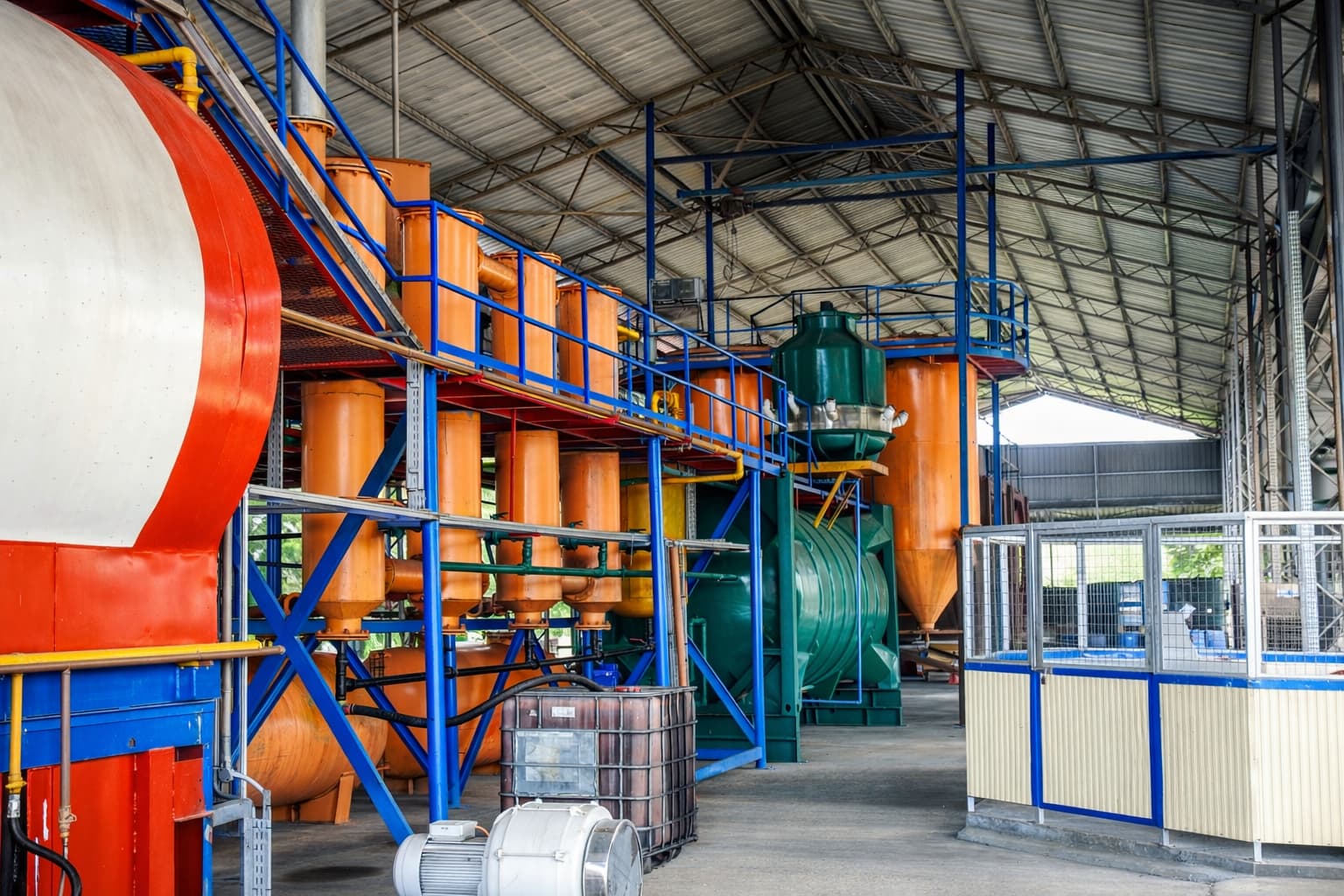
PECL has the capacity to manage and dispose solid wastes including but not limited to scrap metal, building construction waste, tyres, plastics, and food waste— with strict adherence to different technical disposal options and standard compliance.
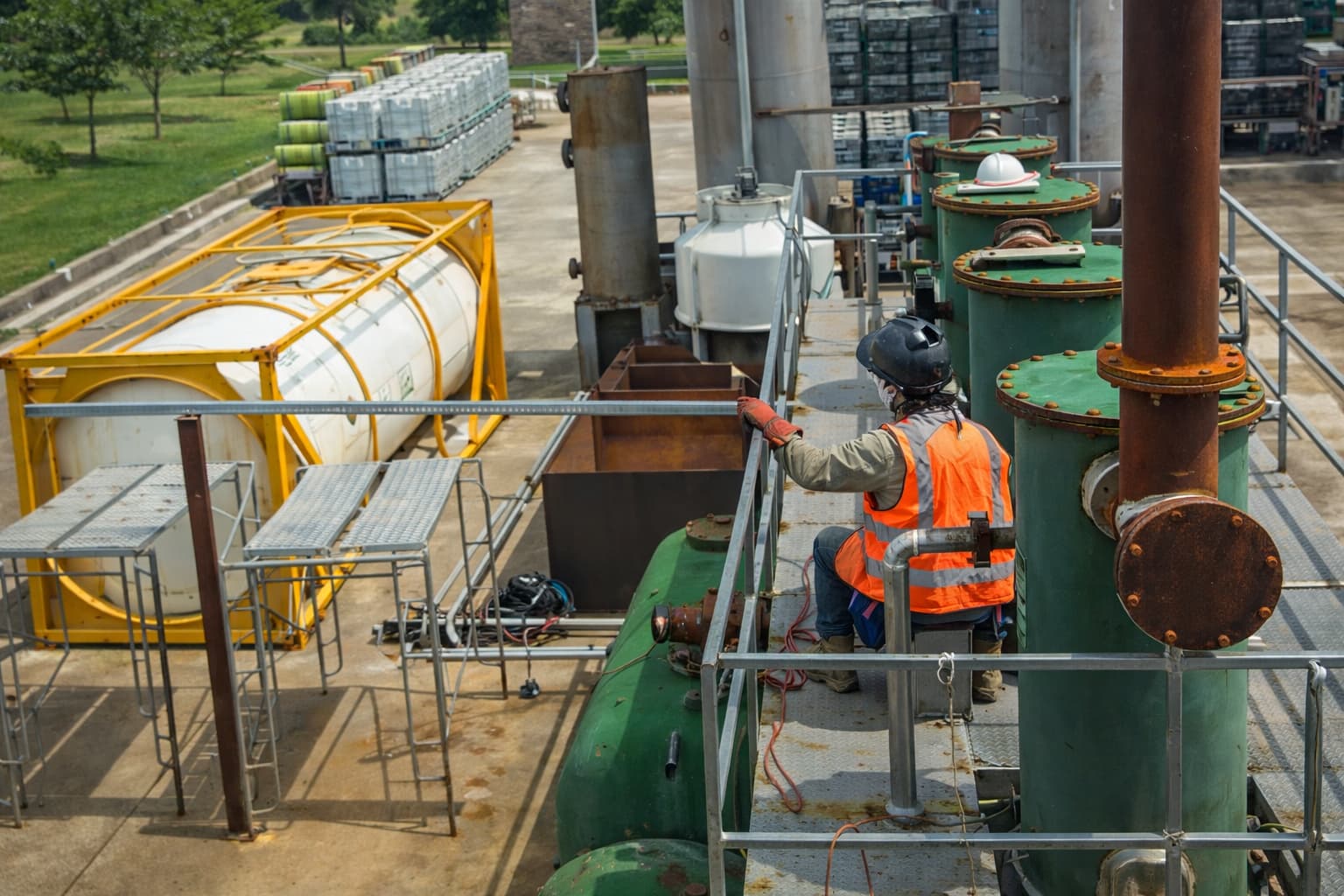
Our Solid Waste Management Process
Methods of Solid Waste Management & Disposal
Solid Waste Open Burning, Sea dumping process, Solid wastes sanitary landfills, Incineration method, Composting process, Disposal by Ploughing into the fields, Disposal by hog feeding, Salvaging procedure, Fermentation/biological digestion.
Sea Dumping Process
This sea dumping process can be carried out only in coastal cities. It is a very costly procedure and not environmentally friendly.
Incineration Method
Suitable for combustible refuse. High operation costs and construction are involved. This method is suited in crowded cities where land filling sites are not available.
Disposal by Ploughing into Fields
Not commonly used. These disposals are generally not environmentally friendly.
Salvaging Procedure
Materials such as metal, paper, glass, rags, and plastics can be salvaged, recycled, and reused.
Solid Waste Open Burning
Solid waste open burning is not the perfect method in the present scenario.
Solid Wastes Sanitary Landfills
Solid wastes sanitary landfills process is simple, clean and effective. Layers are compressed with mechanical equipment and covered with earth. Refuse depth is generally limited to 2m.
Composting Process
Similar to sanitary land-filling and popular in developing countries. Organic matter is separated and composted. This includes Open Window Composting and Mechanical Composting.
Disposal by Hog Feeding
Not a general procedure in India. Garbage disposal into sewers increases BOD and TSS by 20–30%.
Fermentation / Biological Digestion
Biodegradable wastes are converted into compost through biological digestion. Hazardous wastes can also be treated using suitable controlled methods.
Conclusion
Following these procedures and processes can help ensure solid waste is managed and disposed of effectively and responsibly.
Take Action Today
Join the movement towards cleaner communities and sustainable solid waste management practices.