Waste Incineration Management Process
Waste Incineration Management
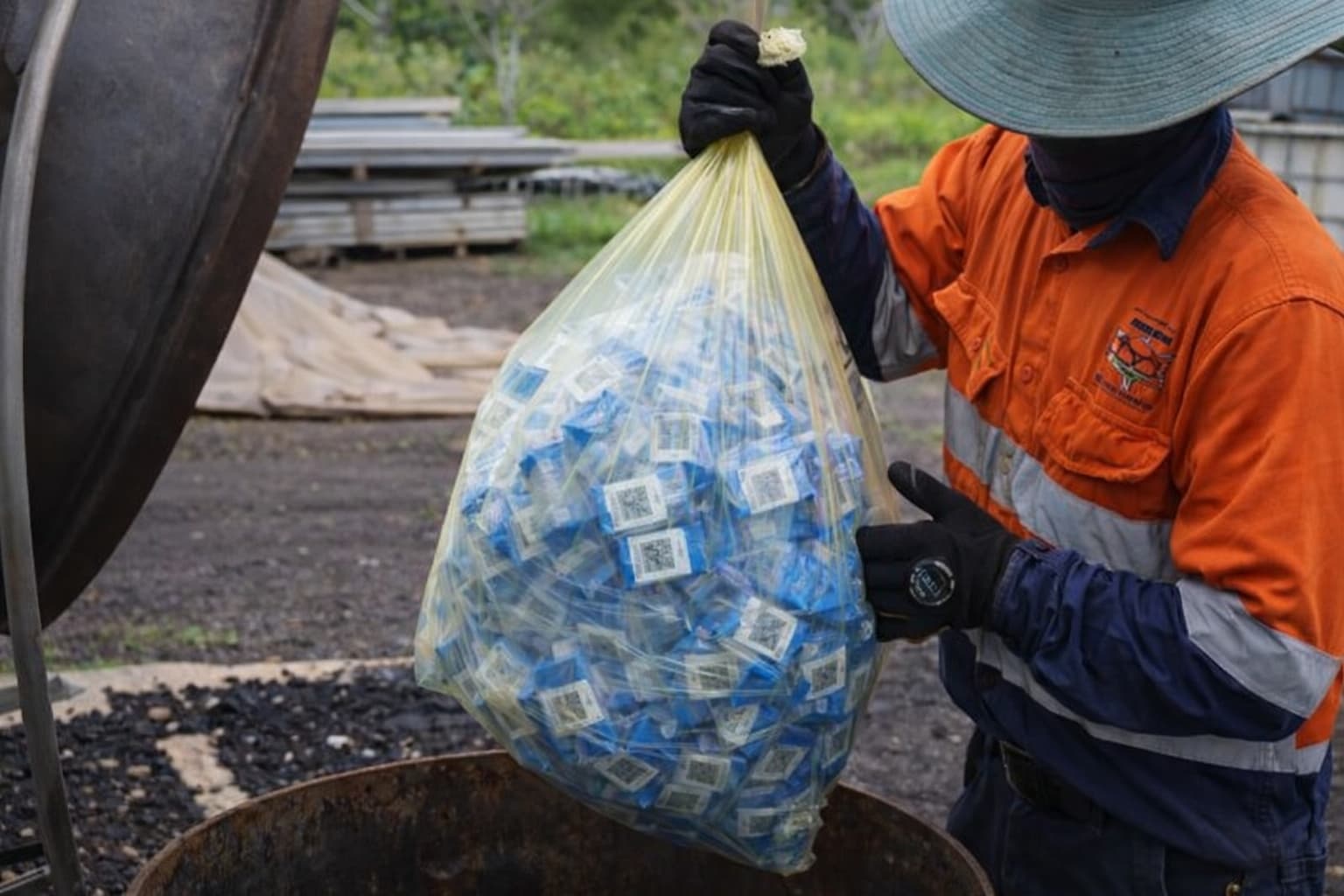
PECL operates a PortaBurn incinerator. The incinerator is specifically designed with a chamber that has a double smoke scrubber which filters the air to avoid dioxins and furans emission into the atmosphere during burning. Oily rags, oil filters, used spill kits, hydrocarbon containment tins and hazardous plastic containers are incinerated. After the complete burning, the ashes are allowed to cool down properly before being taken to landfill for disposal once lab tests are done and analyzed for heavy metals.
Waste Preparations
Oversized items are removed and certain recyclables like metals are recovered. The remaining waste is often shredded before it enters the incinerator.
Combustion
Waste is burned in an oxygenated single combustion chamber. Materials are burned at extremely high temperatures of 1,800–2,200 degrees Fahrenheit. At those temperatures, waste should be completely combusted, leaving nothing but gases and ash.
Energy Recovery
The gases released during combustion are cooled with water, generating steam through heat recovery. The steam is used to power electrical generators.
Waste Incineration Management
PECL operates advanced incineration facilities designed with double smoke scrubbers to filter harmful emissions. Hazardous materials such as oily rags, oil filters, spill kits, and plastics are safely incinerated. After complete combustion, cooled ashes are tested for heavy metals before responsible landfill disposal.
Discover More