01
Classification & Documentation
Identify hazardous waste and applicable Dangerous Goods classifications, and prepare manifest documentation.
Hazardous waste documentation, packaging, transportation, transboundary movement and disposal coordination, with emphasis on safety and environmental responsibility.
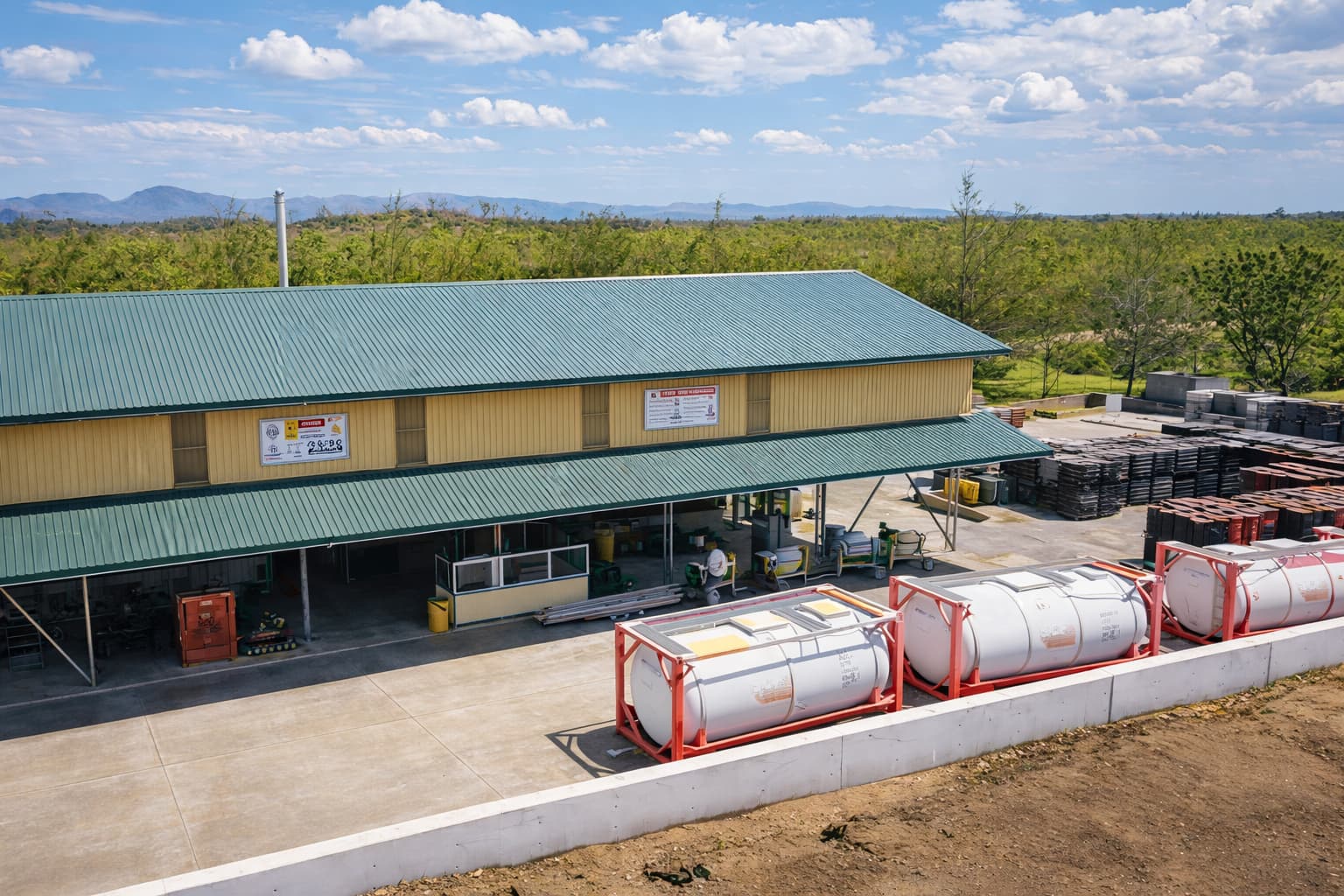
Pasifika Eagle Chemicals Limited provides services involving waste manifest documentation, packaging, transportation and transboundary movement of chemical waste classified as hazardous or Dangerous Goods (DG).
The company states that it follows the Waigani and Basel Conventions for transboundary movements of hazardous and Dangerous Goods waste.
Following disposal, the company describes providing comprehensive reports and waste tracking documentation to clients and the Conservation and Environment Protection Authority (CEPA).
A structured overview of the activities described on the original PECL service page.
Identify hazardous waste and applicable Dangerous Goods classifications, and prepare manifest documentation.
Arrange appropriate packaging, containment and identification of waste materials according to their hazards.
Coordinate transportation and, where applicable, transboundary movement under relevant legal requirements.
Arrange suitable disposal pathways and provide waste tracking documentation and disposal reports.
The original page discusses chemical, thermal, biological and physical treatment methods. Suitability depends on the specific waste characteristics.
Methods may include ion exchange, precipitation, oxidation, reduction and neutralization to modify or remove hazardous constituents.
High-temperature incineration can destroy certain organic hazardous wastes. Specialized systems may include rotary kilns, fluidized beds, multiple-hearth furnaces and liquid-injection incinerators.
Biological methods use microorganisms or other biological processes to treat suitable waste streams. Not all hazardous chemicals are suitable for this method.
Physical processes can separate or concentrate waste constituents to support further treatment, recovery or controlled disposal.
Waste that cannot be destroyed or fully treated may require secure containment and regulated disposal.
The original page describes temporary storage systems including waste piles, ponds and lagoons.
Such arrangements require appropriate engineering, containment and regulatory controls. Open storage must not be assumed suitable for all hazardous wastes.
The original page discusses landfilling and underground injection as disposal methods for certain hazardous wastes.
These options carry environmental risks and require specialized design, approvals, monitoring and ongoing management.
Secure landfills are designed to provide additional protection compared with ordinary municipal solid waste disposal facilities.
The original page describes impermeable liners, leachate collection systems, monitoring arrangements and a final impermeable cover.
Such engineering controls are intended to reduce the risk of pollutants reaching the surrounding environment. Actual design requirements depend on the site, waste type and applicable regulations.
Hazardous waste movements require careful coordination, accurate documentation and attention to applicable regulatory obligations.
The Basel and Waigani Conventions establish controls relevant to transboundary movements of hazardous wastes. Applicable permissions and procedures must be confirmed.
PECL's original page identifies CEPA as a regulator receiving waste tracking and disposal documentation.
Manifest records and disposal reports help document the movement and final disposition of classified hazardous waste materials.
Contact Pasifika Eagle Chemicals Limited to discuss hazardous chemical waste documentation, packaging, transportation, transboundary movement and disposal requirements.